About Me
Hello, I'm Avy! I'm a Korean student attending high school in Los Angeles, where I split my time between AP classes, film projects, and creative writing. As someone who’s passionate about storytelling—whether through the lens of a camera or the pages of a script—I’m always exploring new ways to challenge assumptions, especially around identity, culture, and gender.
Growing up between two cultures has given me a unique perspective, and I use my voice to bridge those experiences and imagine better futures both in and out of the classroom. From directing short films to designing toys, I love pushing boundaries and using my voice to make space for others. Thanks for visiting—I’m excited to share my journey with you!
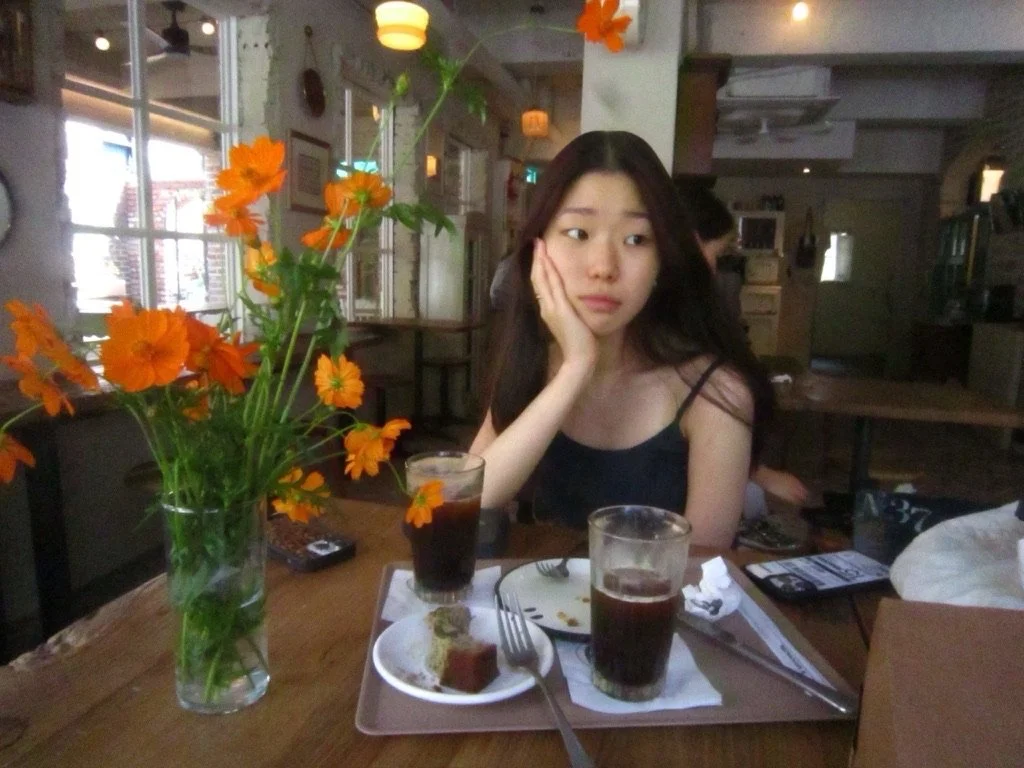
Genderless
To be genderless is to move through the world without the weight of labels that never felt like yours to begin with. It’s waking up and not having to explain or perform who you are to make others comfortable—it’s just being.
For some, it means feeling no connection to being male or female, not out of confusion, but out of clarity—that none of those boxes ever quite fit. It can feel like freedom, like finally exhaling after holding your breath for too long.
But it can also be lonely, because so much of the world still expects you to choose a side. Being genderless is an act of rebellion.
It’s saying, “I exist beyond what you’ve been taught to see,” and finding peace not in what you’re called, but in simply being who you are.
Why Go Genderless?
The first time I came across a gender stereotype was in primary school. Our school uniform policy banned short skirts, any form of accessories, and even tight tops, while boys could get away with virtually most clothing items—an unfair rule that made it harder for girls to run, play, or even sit comfortably.
It felt small at the time, but also deeply wrong. I still remember how it made some of us feel ashamed for wanting to move freely or for questioning something that seemed so “normal.”
With a few classmates, I started talking about how unfair it was, and together we decided to write a petition asking the school to change the dress code. It took weeks of gathering signatures, writing letters to the principal, and explaining to teachers why this mattered, but eventually, we were heard—and the policy was changed.
That experience taught me the power of speaking up and made me realize how quietly, yet deeply, stereotypes can shape our lives. It was the first time I understood that fighting against them wasn’t just necessary—it was something I wanted to keep doing.
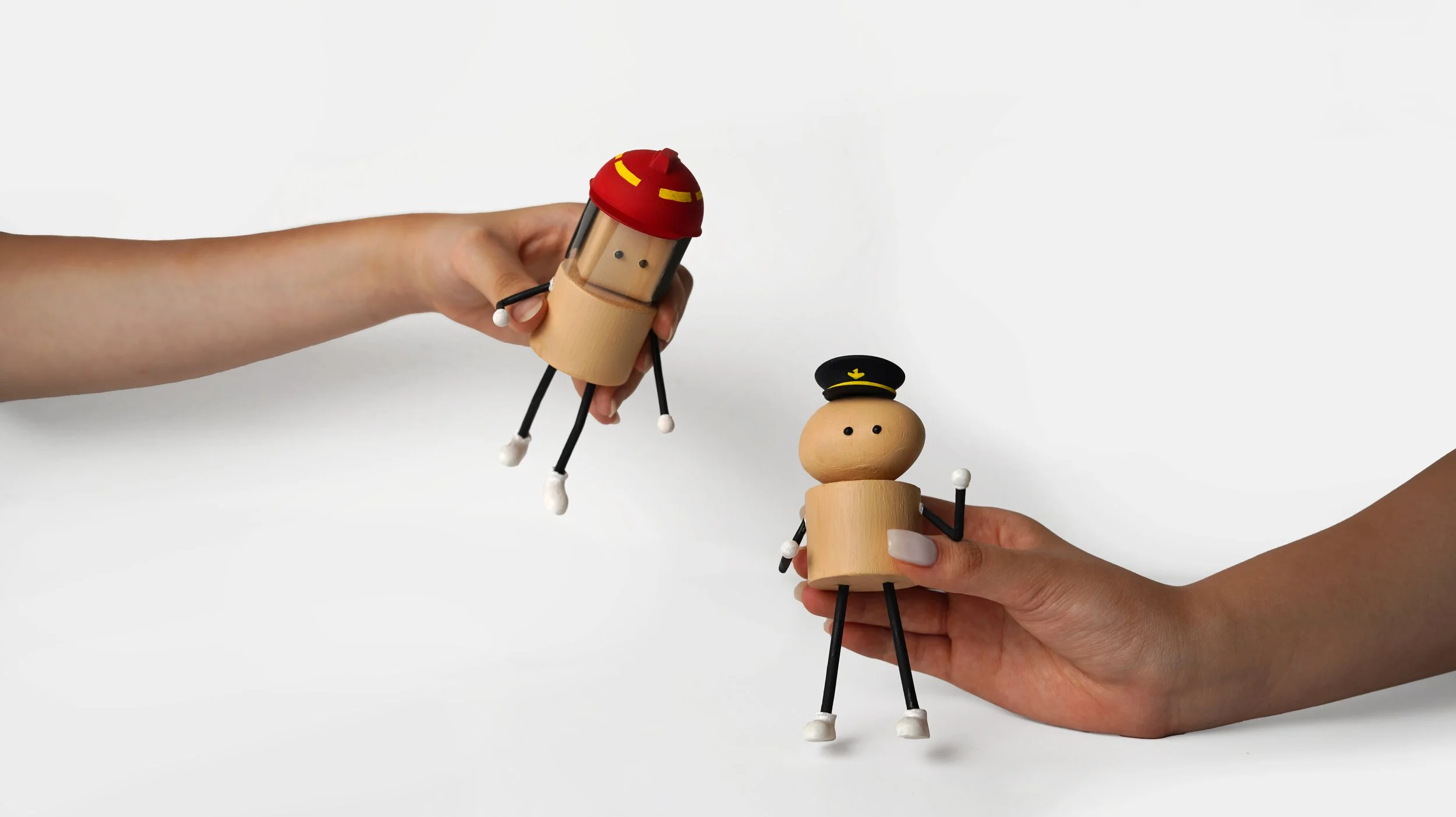
Project Overview
OONOO began as a research inquiry into how childhood experiences shape lifelong perceptions. It all started with a research paper that explored whether early exposure to gender-specific products—such as pink dolls for girls or blue trucks for boys—had a measurable impact on an individual's understanding of gender roles in adulthood. The findings revealed a significant correlation, particularly in relation to gendered toys: children who predominantly played with gender-stereotyped toys were more likely to internalize rigid ideas about gender identity and behavior as adults.
Motivated by these results, and supported by a $5,000 research scholarship awarded through the International Young Researcher's Conference hosted by Columbia and Stanford, I decided to take action beyond the page. I developed a line of gender-empowering toys designed to break down binary expectations and encourage open-ended, imaginative play for all children, regardless of gender.
From these toys grew the next stage of the project: a series of child-friendly animations that bring the toys to life. These toys are playful and accessible, yet rooted in the same mission: to show children that who they are isn’t defined by color-coded shelves or outdated roles, but by their imagination, curiosity, and voice.